

What Is AI SEO and How Is It Changing Search?

Updated: Sep 22

Key Takeaways
AI SEO combines traditional search optimization with strategies that help content perform in AI-powered search experiences and conversational results.
AI SEO does not replace traditional SEO; technical accessibility, useful content, clear structure, internal linking, page performance, and authority remain important.
Businesses should focus on customer questions, search intent, topical depth, conversational language, and well-organized content instead of relying only on exact-match keywords.
AI tools can support keyword research, content planning, topic analysis, and optimization, but human review is needed to ensure accuracy, originality, expertise, and usefulness.
Businesses can prepare for AI search by maintaining accurate information, improving website structure, answering real customer questions, demonstrating expertise, and regularly updating important content.
Search engines have always evolved alongside technology. From simple keyword matching to sophisticated algorithms that understand context, intent, and user behavior, search has become increasingly intelligent. This evolving approach is often described as AI SEO.
AI SEO involves using artificial intelligence strategically within search optimization while also creating content and website experiences that are easier for AI-powered search systems to understand.
For businesses, this does not mean abandoning traditional SEO. Instead, it means adapting established optimization principles to a search environment where users may receive answers through AI-generated results, conversational interfaces, search summaries, and other emerging technologies.
Ready to Adapt Your SEO Strategy for AI-Powered Search? Stay ahead of changing search technology with an AI SEO strategy designed to improve visibility, content relevance, and your ability to reach customers across evolving search experiences. Talk to Our SEO Experts.
What Is AI SEO?
AI SEO is an evolving approach to search optimization that considers how artificial intelligence influences content discovery, search interpretation, and user behavior.
The term can describe two related concepts.
First, businesses can use AI tools to support tasks such as keyword research, content analysis, topic discovery, optimization, and data interpretation.
Second, businesses can optimize content so that it is more useful and understandable within AI-powered search experiences.
These two concepts work together, but they are not identical.
Using an AI tool to generate an article does not automatically make that article optimized for AI search.
Effective optimization still requires accurate information, clear writing, useful structure, appropriate expertise, and content that satisfies the user's intent.
How Is AI Changing Search?
Artificial intelligence is changing search by making systems better at understanding meaning and context.
Traditional search often required users to formulate queries around specific keywords. Modern search systems are increasingly capable of understanding conversational questions and relationships between concepts.
For example, instead of searching for a short phrase such as "best website platform," a user might ask:
"What website platform should a small business choose if it wants an easy-to-manage site?"
An AI-powered system can interpret the broader question and identify information related to platforms, usability, business needs, technical requirements, and other relevant factors.
This means businesses need to think beyond individual keywords.
Learn More About AI and the Future of Search Search is evolving beyond traditional keywords. Explore more insights on how AI is changing search, content optimization, and the way businesses can adapt their SEO strategies.
Search Is Becoming More Conversational
People are becoming more comfortable asking complete questions rather than entering short keyword phrases.
AI-powered search can interpret these longer queries and provide more direct responses.
This makes conversational and question-based content increasingly valuable.
Businesses should consider the questions their customers actually ask before, during, and after making a purchase.
Content that directly answers those questions can provide value regardless of which search technology a customer uses.
Does AI SEO Replace Traditional SEO?
No.
AI SEO should generally be viewed as an extension of established optimization principles rather than a complete replacement.
Fundamentals such as technical accessibility, useful content, strong website structure, relevant keywords, internal linking, page performance, and authoritative references remain important.
What changes is the way businesses think about visibility.
A website may need to perform well in traditional organic results while also providing information that can be understood and surfaced by AI-powered search experiences.
This creates a broader optimization challenge.
The Importance of On-Page Optimization
Even as search becomes more intelligent, website fundamentals remain important.
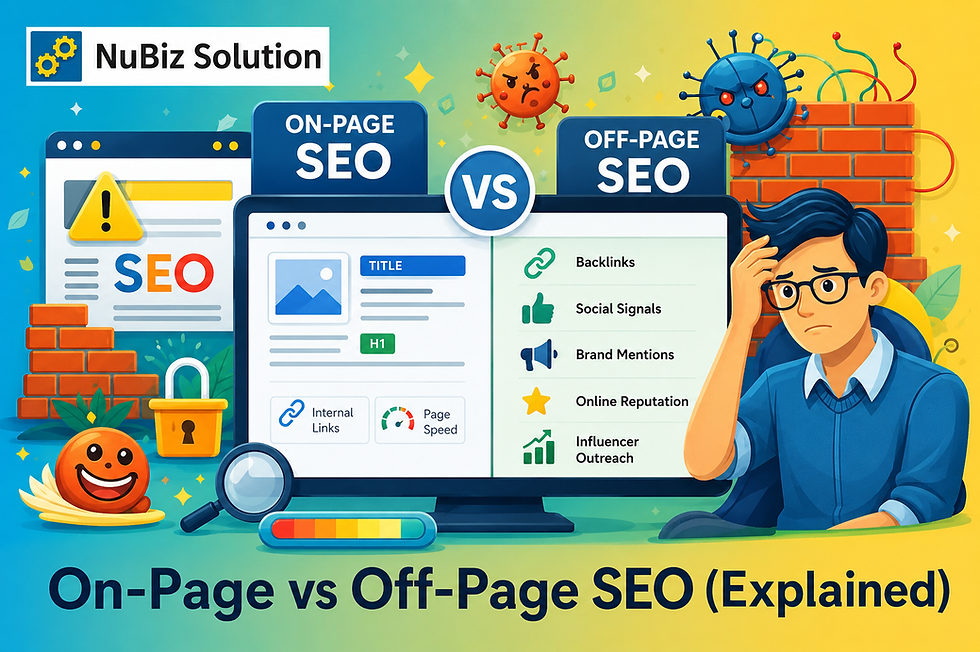
An On Page SEO service can help businesses evaluate elements such as title tags, headings, page content, internal links, metadata, images, and overall page structure.
Well-structured pages are easier for visitors to navigate and easier for search systems to interpret.
Clear headings can also help identify the purpose and organization of different sections.
Use Clear Heading Structures
A strong heading structure makes content easier to scan.
Instead of creating large blocks of text, use descriptive H2 and H3 headings to divide related concepts.
This benefits users who want to find specific information quickly.
It can also help automated systems understand the relationships between different sections of a page.
How AI Can Support Content Optimization
AI tools can assist marketers with many parts of the optimization process.
They can help identify related topics, analyze large amounts of information, organize content ideas, summarize research, identify potential content gaps, and generate initial outlines.
However, human review remains essential.
AI-generated information can contain errors, outdated claims, awkward phrasing, or unsupported statements.
Businesses should treat AI as a productivity and analysis tool rather than an automatic replacement for editorial judgment.
AI SEO and Keyword Research
Keywords remain useful, but the role of keywords is becoming more nuanced.
Instead of focusing exclusively on exact-match phrases, marketers should understand the broader topic surrounding a search.
For example, a page targeting a service keyword may naturally address pricing, benefits, process, common problems, comparisons, maintenance, and frequently asked questions.
This creates topical depth.
AI can help identify relationships between these concepts, but marketers should determine which topics are genuinely relevant to their audience.
How AI SEO Relates to Local Search
AI is also changing how people discover local businesses.
A customer may ask an AI-powered search system for recommendations, comparisons, or information about businesses in a particular area.
This makes accurate business information increasingly important.
A strong Local SEO strategy can help businesses maintain consistent information across their website, business listings, review platforms, and other relevant online resources.
Businesses should ensure that their name, location, services, contact information, and other important details remain accurate.
Is AI-Generated Content Good for SEO?
AI-generated content is not automatically good or bad for search.
Its value depends on the quality, originality, usefulness, and accuracy of the final content.
Publishing large amounts of generic AI-generated material without human review can result in repetitive content that does not meaningfully help users.
On the other hand, AI can help experienced writers and marketers research topics, organize information, identify gaps, and improve productivity.
The important question is not simply whether AI was involved.
The more important question is whether the final content provides genuine value.
AI SEO for Different Types of Websites
The appropriate strategy depends on the business.
An ecommerce website may focus on product information, comparisons, reviews, specifications, and purchasing questions.
A service business may focus on service pages, FAQs, location information, costs, processes, and customer concerns.
A professional services firm may need content demonstrating expertise and explaining complex topics in accessible language.
Website platforms can also influence implementation.
For example, a Wix website development service may be appropriate for businesses that want a manageable website platform, provided the site is structured and optimized appropriately.
The platform itself does not guarantee search visibility. Content quality, technical setup, user experience, and overall optimization remain important.
What Does the Future of AI SEO Look Like?
Search is likely to become increasingly conversational, personalized, and capable of synthesizing information from multiple sources
Users may continue moving between traditional search results, AI-generated answers, maps, social platforms, voice interfaces, and other discovery channels.
This means businesses may need to think about visibility across an increasingly diverse search ecosystem.
However, the fundamental goal remains familiar: provide accurate, useful, relevant information that helps people make decisions.
Businesses that consistently demonstrate expertise and prioritize customer needs will have a stronger foundation as search continues to evolve.
Explore the Future of SEO and AI Search Search is evolving, and staying informed can help businesses adapt to new ways customers discover information. Explore more insights, trends, and practical SEO strategies from Nubiz Solution.
Final Thoughts
AI is changing how people search for information, compare options, and discover businesses. AI SEO is part of this broader transformation.
For businesses, adapting does not mean abandoning traditional search optimization or producing endless amounts of AI-generated content. Instead, it means understanding how search is evolving and creating content that is useful to both people and increasingly intelligent search systems.
A strong strategy combines technical website fundamentals, useful content, clear structure, relevant authority signals, accurate business information, and a deep understanding of customer intent.
Frequently Asked Questions
1. What is AI SEO?
AI SEO is an approach to search optimization that considers how artificial intelligence affects search results, content discovery, user questions, and online visibility. It can also involve using AI tools for research, content planning, topic analysis, keyword discovery, and performance insights.
2. Does AI SEO replace traditional SEO?
No. AI SEO builds on traditional SEO rather than replacing it. Technical website health, useful content, internal links, relevant keywords, page speed, clear headings, mobile usability, and trustworthy authority signals remain essential for visibility in both standard and AI-powered search experiences.
3. How is AI changing the way people search online?
AI is making search more conversational and context-aware. Instead of entering only short keyword phrases, people can ask detailed questions and receive direct answers. Businesses should therefore create content that explains topics clearly, addresses customer concerns, and answers questions throughout the buying journey.
4. Can AI-generated content rank in search engines?
AI-generated content can potentially rank if the final page is accurate, useful, original, and genuinely helpful to readers. However, publishing generic or unreviewed AI content can create errors, repetition, and low-value pages. Human editing, fact-checking, expertise, and clear brand perspective remain important.
5. How can AI tools help with SEO?
AI tools can help marketers research topics, identify related questions, organize content ideas, analyze data, find potential keyword opportunities, and identify content gaps. They should support human decision-making, not replace it, because AI tools can still produce inaccurate information or irrelevant suggestions.
6. Why are clear headings important for AI SEO?
Clear headings organize content into understandable sections for both readers and search systems. Descriptive H2 and H3 headings make pages easier to scan, clarify relationships between topics, and help users find direct answers. Strong structure also improves the overall website experience.
7. Are keywords still important for AI SEO?
Yes, but keywords should be part of a broader topic-focused strategy. Instead of repeating exact phrases excessively, businesses should cover relevant questions, related concepts, customer concerns, comparisons, benefits, processes, and practical details. This helps create useful content that better matches search intent.
8. How does AI SEO affect local businesses?
AI-powered search can influence how customers discover nearby businesses, compare options, and ask for recommendations. Local businesses should maintain accurate names, addresses, phone numbers, hours, service details, reviews, and website information so search systems can confidently understand and present their business.
9. What type of content works best for AI-powered search?
Helpful, well-organized content that directly answers real customer questions tends to be most valuable. Service pages, FAQs, comparisons, guides, pricing explanations, process descriptions, and locally relevant information can all support visibility when they are accurate, clear, and created for user needs.
10. Can a Wix website be optimized for AI SEO?
Yes. A Wix website can support AI SEO when it has clear page structure, useful original content, accurate metadata, internal linking, mobile-friendly design, and sound technical setup. The platform alone does not determine rankings; content quality, relevance, and user experience remain critical.
11. How can small businesses prepare for the future of AI search?
Small businesses should focus on fundamentals: publish useful content, answer customer questions, demonstrate expertise, maintain accurate business information, improve website usability, and regularly update important pages. A consistent, customer-focused approach provides a strong foundation as AI search experiences continue to evolve.


Comments